Chemical Weapons Prohibition Banner
UAN Logo

Working together for a world free of chemical weapons and environmental toxins

The UAN OPCW, with its 160+ Member Indigenous Nations representing over 300 million Indigenous peoples, oversees the global Indigenous endeavour to permanently and verifiably eliminate chemical weapons and toxic substances that threaten traditional territories and sacred environments.

Global Peace Mission

Mission

A world free of chemical weapons and environmental toxins

The UAN OPCW's mission is to realize a world free from chemical weapons, toxic pollution, and their threat to Indigenous communities — a world where chemistry and traditional knowledge are harnessed for peace, healing, detoxification, and spiritual enlightenment through environmental restoration.

Policies and Programmes

The Traditional Knowledge Secretariat proposes policies to the Member Indigenous Nations of the UAN OPCW, and develops and delivers programmes with and for traditional communities while respecting cultural protocols and Indigenous sovereignty.

Programme Aims

Verification and Protection

Credible and Transparent Protection Regime

To ensure a credible and transparent regime for verifying the destruction of chemical weapons and preventing their re-emergence in Indigenous territories, while protecting legitimate Indigenous sovereignty, traditional knowledge, and sacred site security.

Traditional Medicine and Healing

Protection and Traditional Healing Assistance

To provide protection and traditional healing assistance against chemical weapons and toxic contamination affecting Indigenous communities and sacred environments.

Scientific Cooperation

International Cooperation in Traditional Sciences

To encourage international cooperation in peaceful uses of traditional chemistry, natural medicine, and Indigenous environmental sciences for healing and restoration.

Indigenous Nations Unity

Universal Indigenous Membership

To bring about universal membership of Indigenous nations in the UAN OPCW by facilitating international cooperation and traditional knowledge capacity building.

Traditional Governance and Sacred Sites

Our Approach

Two fundamental principles underline our approach. The first is the centrality of the Sacred Territory Protection Protocols' Indigenous multilateral character and respect for traditional governance systems. The second is the equal application of the provisions of the Protocols to all Indigenous Nations while honoring cultural diversity and traditional laws.

We do this with cultural integrity, in an efficient, competent and cost-effective manner that respects traditional decision-making processes, and in a healthy working environment guided by Indigenous values. Our work is guided and supported by the sacred vision of our Organization and traditional wisdom.


Core Programs and Initiatives

Environmental Cleanup and Remediation

Chemical Weapons Elimination in Indigenous Territories

  • Sacred Land Cleanup: Identifying and eliminating chemical weapons and toxic substances from traditional territories and sacred sites.
  • Traditional Territory Protection: Monitoring and preventing the introduction of chemical weapons or toxic substances into Indigenous lands.
  • Cultural Site Restoration: Using traditional knowledge and appropriate modern techniques to restore sacred sites contaminated by chemical weapons or toxic pollution.
Indigenous Traditional Healing Practices

Traditional Healing and Protection

  • Indigenous Detoxification Methods: Supporting traditional healing practices that help communities recover from chemical exposure.
  • Natural Medicine Defense: Developing protective measures using traditional plant medicines and healing practices.
  • Community Health Restoration: Implementing holistic healing programs for communities affected by chemical contamination.
Water and Ecosystem Restoration

Environmental Justice and Restoration

  • Toxic Legacy Cleanup: Addressing historical chemical contamination in Indigenous territories from industrial and military activities.
  • Water and Soil Purification: Using traditional knowledge combined with appropriate modern techniques to clean contaminated water sources and agricultural lands.
  • Ecosystem Restoration: Healing damaged ecosystems through traditional ecological knowledge and natural remediation methods.
Natural Chemistry and Plant Medicine

Traditional Chemistry for Peace

  • Indigenous Natural Sciences: Promoting peaceful applications of traditional chemistry and natural sciences for community benefit.
  • Traditional Medicine Development: Supporting the development of traditional medicines and natural healing substances.
  • Sustainable Chemical Alternatives: Developing environmentally safe alternatives to toxic chemicals using traditional knowledge.

Protection and Emergency Response

Chemical Emergency Response

Chemical Emergency Response

  • Traditional Territory Alert Systems: Early warning systems for chemical threats to Indigenous communities and sacred sites.
  • Cultural Emergency Protocols: Response procedures that respect traditional governance and cultural protocols during chemical emergencies.
  • Traditional Healing Crisis Response: Mobilizing traditional healers and natural medicine resources during chemical contamination events.
Indigenous International Cooperation

International Indigenous Cooperation

  • Knowledge Sharing Networks: Facilitating exchange of traditional knowledge about natural protection and detoxification methods.
  • Cross-Border Protection: Coordinating protection efforts across traditional territories that span multiple modern state boundaries.
  • Cultural Protocol Training: Educating international organizations about appropriate cultural protocols when working in Indigenous territories.

Verification and Monitoring

Sacred Site Monitoring

Traditional Territory Monitoring

  • Sacred Site Protection: Ensuring chemical weapons are never stored or tested in sacred sites or traditional territories.
  • Cultural Protocol Compliance: Verifying that all monitoring activities respect Indigenous cultural protocols and sovereignty.
  • Community-Controlled Verification: Supporting Indigenous communities in maintaining their own monitoring and verification systems.
Indigenous Data Rights

Indigenous Data Sovereignty

  • Traditional Knowledge Protection: Ensuring that verification activities do not compromise traditional knowledge or cultural information.
  • Community-Controlled Information: Respecting Indigenous communities' right to control information about their territories and resources.
  • Cultural Sensitivity Training: Training all verification personnel in appropriate cultural protocols and Indigenous rights.

International Partnerships

Traditional Knowledge Sharing

Traditional Knowledge Networks

Working with Indigenous knowledge keepers, traditional healers, and environmental stewards to develop natural protection and remediation methods.

Environmental Justice Movement

Environmental Justice Organizations

Partnering with organizations focused on environmental justice and protection of Indigenous rights to chemical safety.
Respectful Scientific Partnership

Respectful Scientific Collaboration

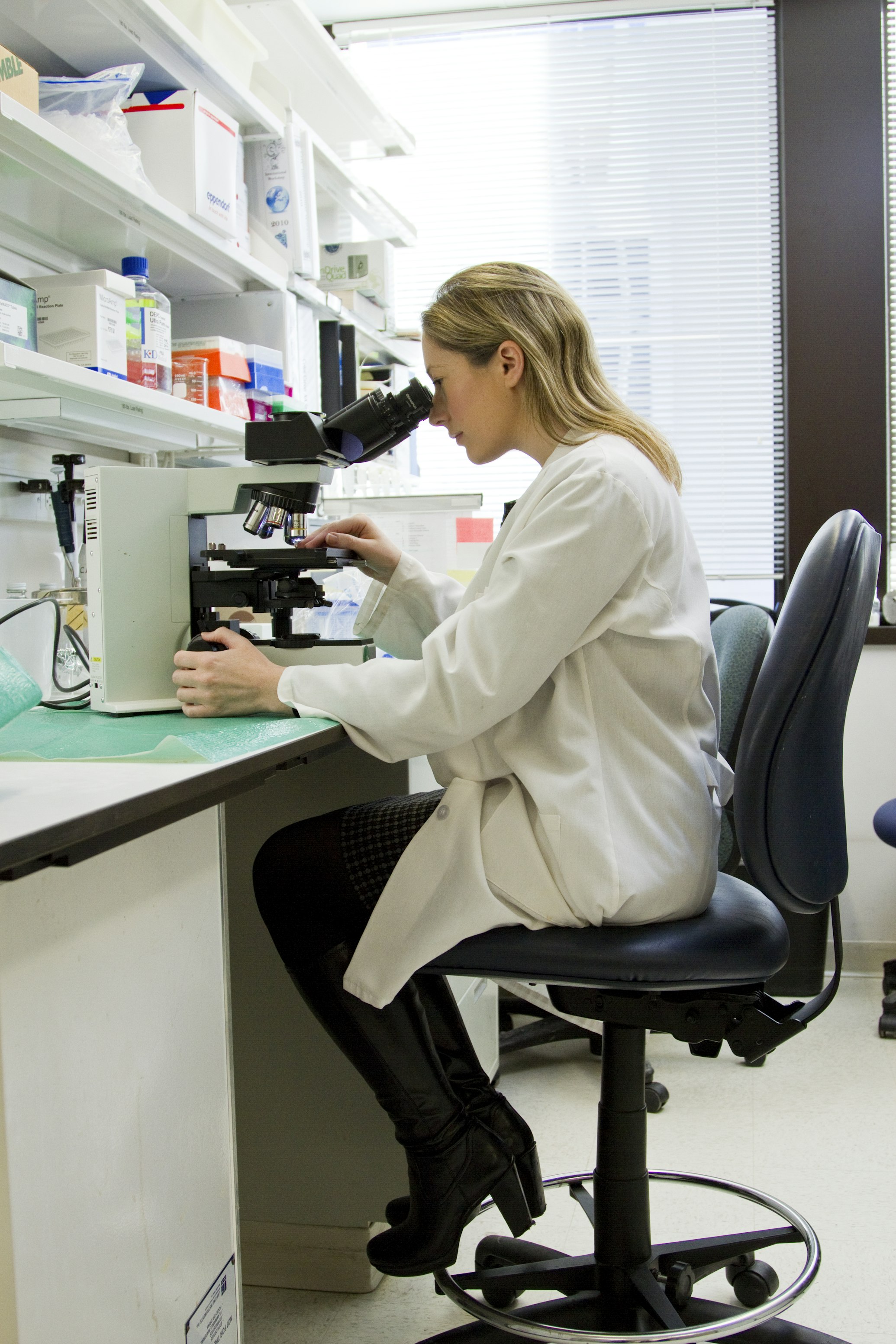
Collaborating with appropriate scientific institutions that respect Indigenous knowledge and support community-controlled research.

The Sacred Aim of the UAN OPCW

The ultimate aim of the UAN OPCW is not only to achieve a world permanently free of chemical weapons and toxic threats to Indigenous communities, but also to support the detoxification of bodies and ecosystems as a sacred process toward enlightenment. By integrating traditional wisdom and natural sciences, the UAN OPCW works to ensure Indigenous security and cultural survival, environmental restoration, holistic healing, and global sustainable development.

Future Vision for Indigenous Territories

Looking Forward

The Vision of the UAN OPCW

The UAN OPCW envisions a world where:

  • • Indigenous territories are permanently protected from chemical weapons and toxic contamination
  • • Traditional knowledge leads the development of safe, natural alternatives to harmful substances
  • • Sacred sites are honored and shielded from all forms of chemical and energetic pollution
  • • Traditional healing systems detoxify the body and environment as a path to health, balance, and spiritual enlightenment
  • • Environmental justice guarantees Indigenous communities equal protection from chemical and toxic threats
  • • International cooperation upholds Indigenous sovereignty, traditional governance, and the right to live in harmony with nature
  • • Chemical sciences serve healing and environmental restoration rather than destruction

UAN OPCW: Protecting Sacred Lands, Preserving Traditional Knowledge, Creating a Toxin-Free World for All